Steel structure manufacturer since 2009 · 8 fabrication bases in China

Products
Product Category
Keep In Touch With Us
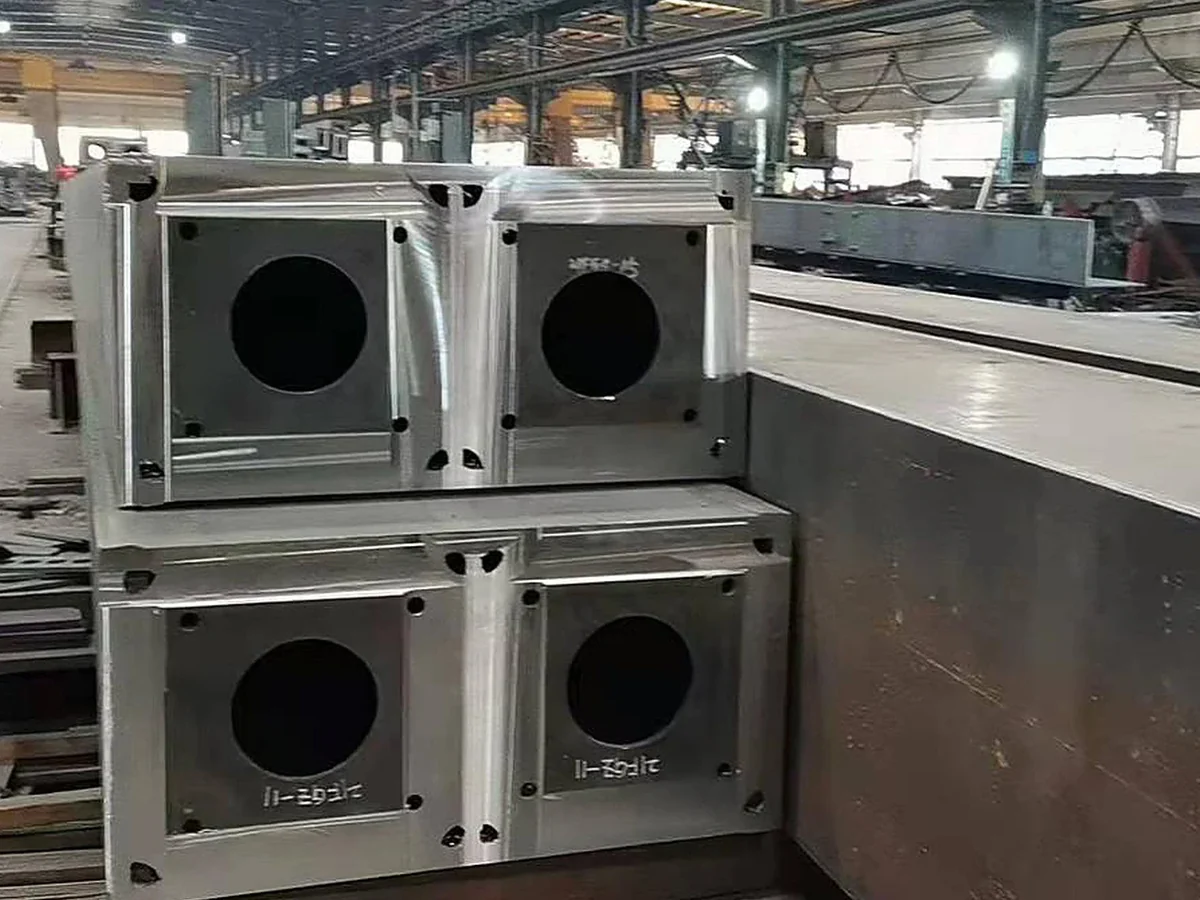
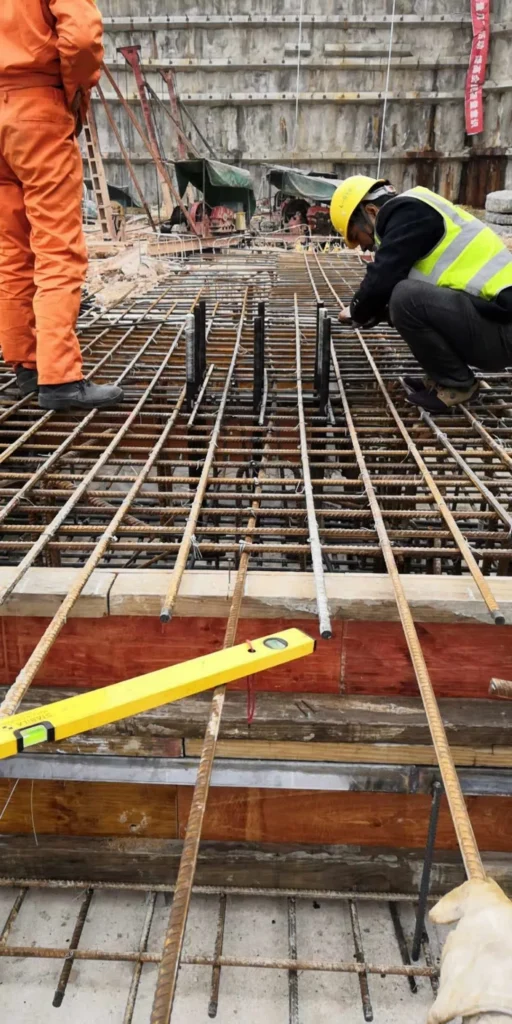
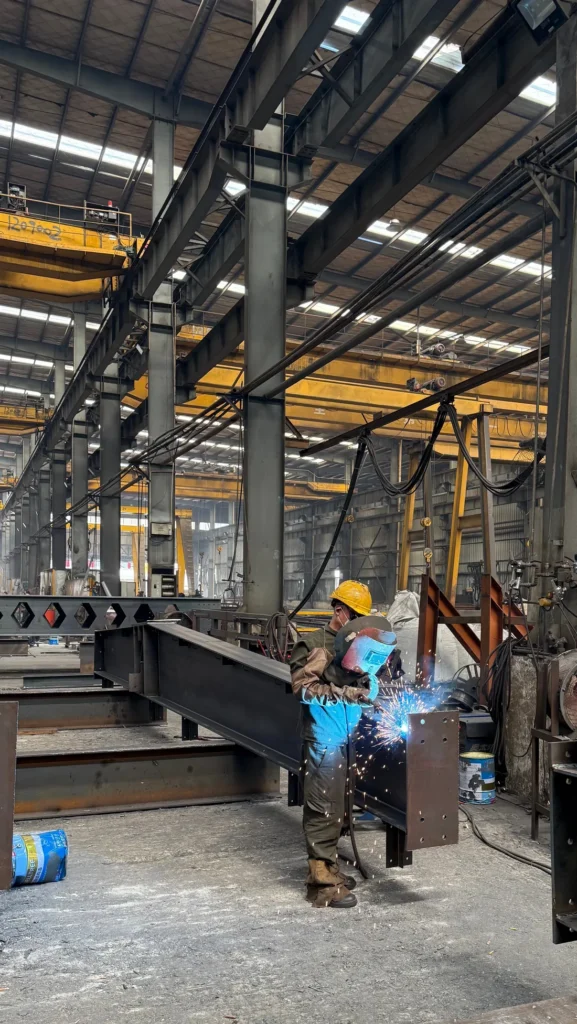
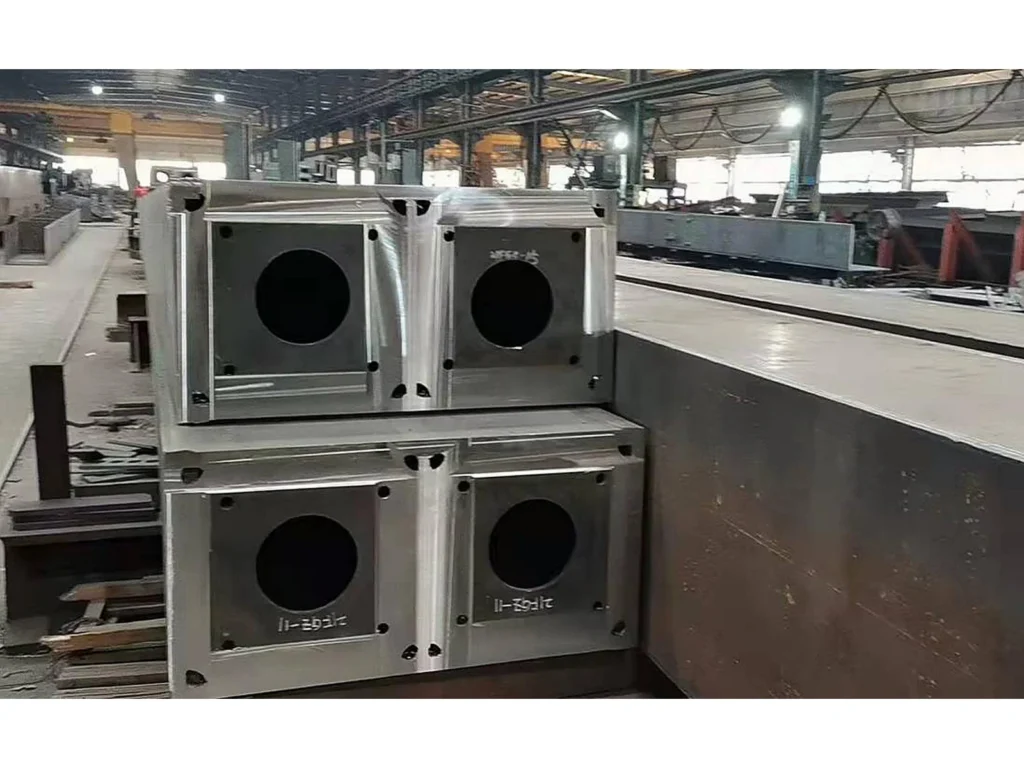
Welded Box Column & Box Girder
Heavy welded box columns and box girders for high-rise, bridge and industrial projects. We fabricate to your shop drawings with full inspection records for every piece.
Welded box columns and box girders to EN 1090-2 or GB 50205, 300–1,500 mm section, 8–100 mm plate, up to 18 m and 40 t per piece.
A welded box section is chosen when a rolled section is not big enough, when the column must be architecturally exposed, or when the design needs equal stiffness in both directions. The fabrication risk is concentrated in three places: the corner welds, the internal diaphragms, and the twist that appears if the welding sequence is not balanced.
We fabricate box columns from 300 to 1,500 mm, plate 8 to 100 mm, single pieces up to 18 m long and 40 t, with shop welding to GB 50661 or AWS D1.1 and inspection to EN 1090-2 execution class EXC2 or EXC3.
Key Specifications
| Section size b | 300 – 1,500 mm |
| Plate thickness | 8 – 100 mm |
| Single piece | Length 18 m, weight 40 t |
| Section tolerance | b < 900 mm: ±3 mm (class 1), ±2 mm (class 2); 900 ≤ b < 1,800: ±b/300, ±b/450 |
| Twist | L/700, not less than 4 mm and not more than 10 mm (class 1); L/1000, 3–8 mm (class 2) |
| Length tolerance | ±(L/5000 + 2) mm (class 1); ±(L/10000 + 2) mm (class 2); ±1 mm where ends are milled for bearing |
| Straightness | L/1000 |
| Welding | GB 50661, AWS D1.1, EN ISO 3834-2; UT on full-penetration seams to EN ISO 11666 / GB/T 11345 |
Welding the corner seams
- For box sections up to about 600 mm we weld with a submerged-arc gantry after assembling the four plates on a jig; the sequence runs diagonally so shrinkage is balanced.
- For larger boxes the welder must reach the root, so we use a partial-penetration detail with a backing strip or a full-penetration detail welded from both sides, depending on the stress category.
- Internal diaphragms are welded before the closing plate goes on; the closing plate is then welded with a controlled sequence and the box is checked for twist on a flat bed.
Through-thickness and lamellar tearing
Where a diaphragm or a stiffener is welded across the plate thickness, the plate must have Z-quality. We specify GB/T 5313 Z15 / Z25 / Z35 (or EN 10164) according to the joint restraint, and we record the UT result of the plate before cutting.
Tolerances that matter on site
The splice faces must match. We mill the bearing ends to ±1 mm where the column transfers load in bearing, and we match-drill the splice plates in the shop so the connection closes without site reaming.
Chinese projects follow GB 50205-2020; European projects follow EN 1090-2 and the edition adopted in the contract.
| Span | Section 300 – 1,500 mm |
| Eave Height | Length up to 18 m |
| Structure | other |
| Main Material | Q355B / Q390B / Q460C plate 8 – 100 mm, Z15–Z35 through-thickness on tee joints |
| Application | High-rise column, SRC column, bridge pier, heavy industrial column |
When is a welded box section chosen over a rolled section?
When a rolled section is not big enough, when the column must be architecturally exposed, or when the design needs equal stiffness in both directions.
What box column sizes can you fabricate?
Section size from 300 to 1,500 mm, plate 8 to 100 mm, single pieces up to 18 m long and 40 t.
Where is the fabrication risk concentrated?
In three places: the corner welds, the internal diaphragms, and the twist that appears if the welding sequence is not balanced.
Which standards apply to welding and inspection?
Shop welding to GB 50661 or AWS D1.1, with inspection to EN 1090-2 execution class EXC2 or EXC3.