Steel structure manufacturer since 2009 · 8 fabrication bases in China

Steel Buildings
Industrial steel buildings designed around the crane, not the roof
In a crane hall the crane sets the column grid, the runway girders, the column step height and the foundations. If the crane data is wrong at the start, no later fix is cheap. This page lists what we need, the limits we design to and where plant frames usually go wrong.
185,550 m²
Largest plant delivered, Laos
12,600 t
Steel in one plant package
3
Overseas plants: Malaysia, Laos, Indonesia
50 طن
Crane capacity designed
Fit
When a steel plant frame pays off
Steel suits plants that change. Lines move, cranes are upgraded and halls are extended.
A good fit when
- Crane bays over 18 m span
- Process lines that will be re-arranged or extended
- Equipment hung from the roof or mezzanines
- Equipment installation overlapping erection
- Remote sites where concrete supply is hard
Think twice when
- Highly corrosive processes with no maintenance budget
- Hot zones above 300 °C next to unshielded steel
- Very small sheds where local fabrication is cheaper after freight
Before design
Crane data we need from your crane supplier
Wheel loads cannot be estimated reliably from capacity. Each missing item below is an assumption in our price.
| Data | What it changes | If missing |
|---|---|---|
| Capacity and duty class (CMAA A–F, FEM / ISO, GB/T 3811 A1–A8) | Fatigue design of runway girder and welds | We assume a medium class; heavy use later can crack welds |
| Maximum wheel load and wheel spacing | Runway girder size, bracket, column | Estimated; price changes when real data arrives |
| Span (rail centres) and hook height | Column step level and building height | Step level error cannot be fixed after fabrication |
| End approach and buffer forces | End bay layout and stops | Lost hook coverage at ends |
| Number of cranes per bay | Combined loads on columns | Under-designed columns for two cranes side by side |
| Future crane upgrade | Spare capacity now | New girders and columns later |
Runway limits
Deflection and tolerance limits we design to
| فحص | Typical limit | Source |
|---|---|---|
| Vertical deflection, light and medium cranes | Span / 600 | CMAA 74, AISC Design Guide 7 |
| Vertical deflection, heavy and high-cycle cranes | Span / 800 to / 1000 | AISC Design Guide 7 |
| Lateral deflection, 10% of max wheel loads | Span / 400 | CMAA 74 |
| Rail alignment and gauge | Crane supplier tolerance | Automated cranes need tighter values |
| Column sway at eave | Per code; cladding must accept it | Slotted girt holes, sliding roof clips |
Your project code may set different values (GB 50017 by crane working class, EN 1993-6). The stricter of code and crane supplier governs.
Column types
How the runway is carried
| Option | الاستخدام النموذجي | Watch out for |
|---|---|---|
| Bracket on portal column | Light cranes, about 5–10 t | Bracket eccentricity bends the column |
| Stepped column | Top-running cranes above about 16 t | Step level set by hook height plus crane clearances |
| Laced or double column | Heavy cranes, 50 t and above | More nodes, more fabrication hours |
| Independent crane column | Vibration isolation, heavy duty | Takes floor space |
| Underhung crane on roof | Light loads, no columns needed | Roof frame carries crane loads |
From our engineers
Where crane buildings crack
Runway welds. Web-to-flange welds and stiffener ends see every wheel pass. We detail them to EN 1993-6 or AISC fatigue categories and avoid partial-penetration welds where stress reverses.
Brackets and splices. Bracket-to-column welds and girder splices are the common crack sites. Full-penetration welds there get 100% UT.
Unintended restraint. Bracing that restrains the girder end attracts forces it was not designed for. We release it with slotted connections where needed.
Plant types
What each plant type adds
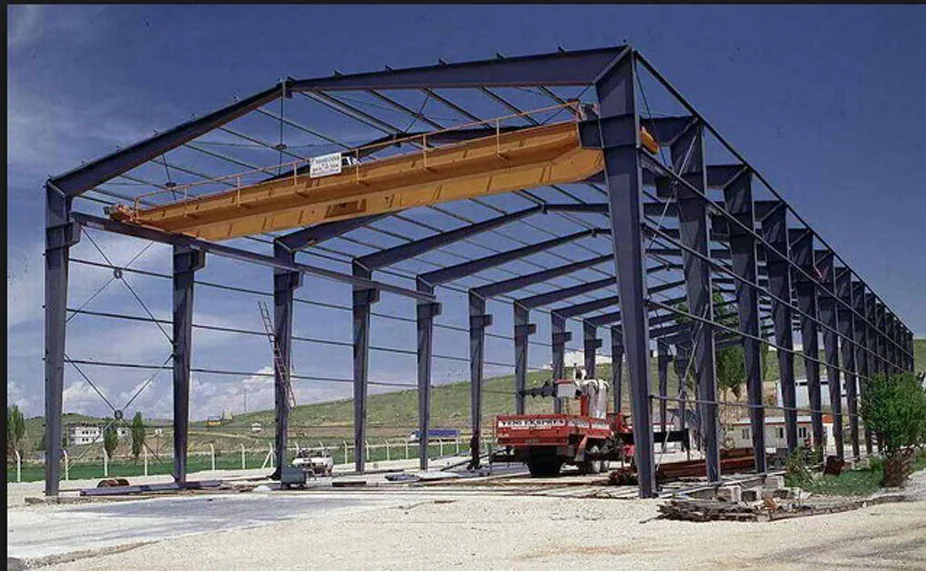
Coating and access first
Pipe racks, platforms and duct openings are framed in the shop drawings. The corrosivity category sets the coating before member sizes are fixed.
- ISO 12944 C4/C5 systems or galvanizing
- Platforms detailed with the frame
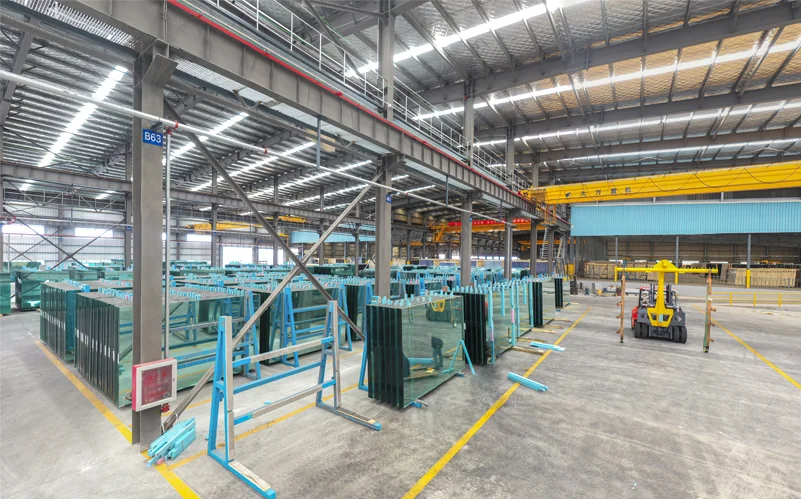
Clean, wide halls
Bottling and food plants need column-free halls and no ledges where dust gathers. Magelang in Indonesia is this type.
- Sealed connections, no dirt traps
- Roof loads for HVAC and process piping
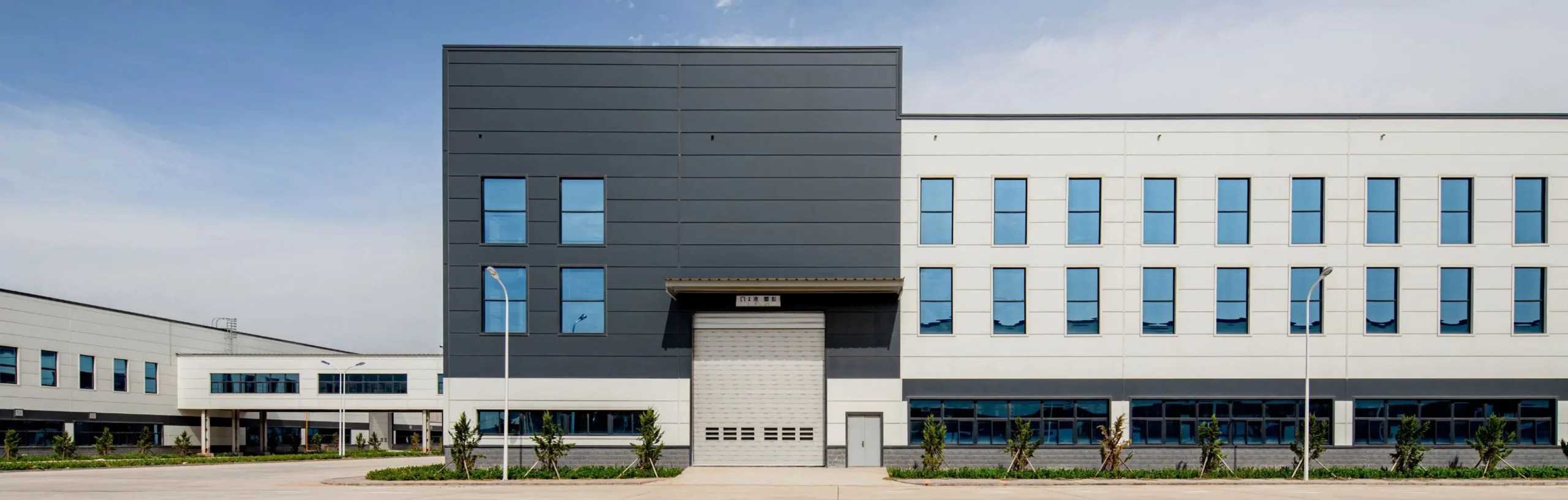
Heat, dust and heavy cranes
The Malaysian silicon metal plant used 12,000 t of steel for furnaces, heavy cranes and roof monitors.
- Heat shields near furnaces
- Ventilated roof monitors
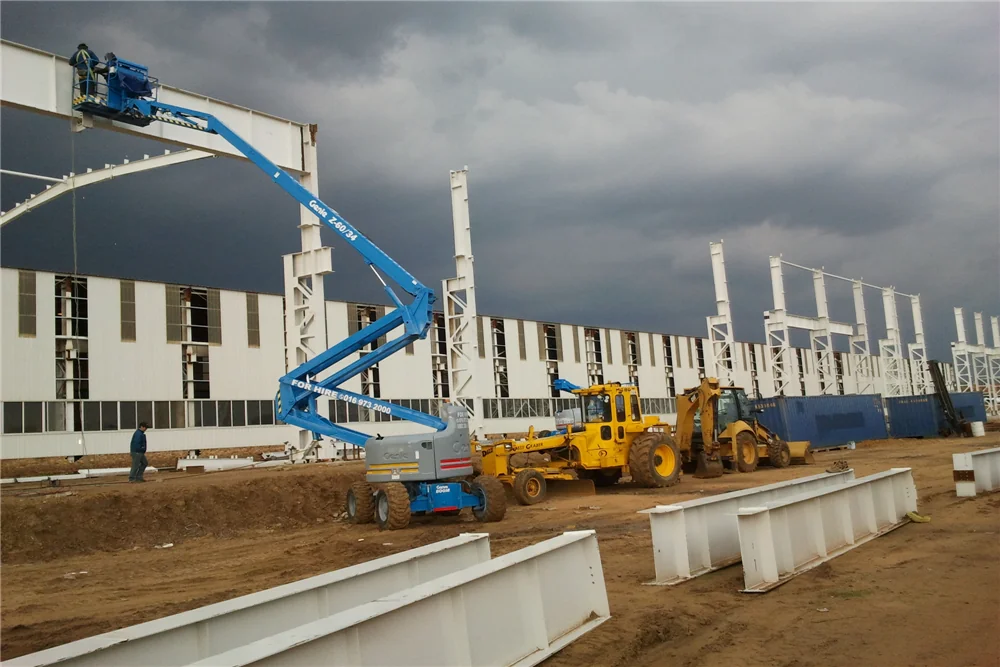
Foundations and envelope
The crane also loads the ground
Crane columns carry large, repeated vertical and horizontal loads. Settlement between two runway columns tilts the rail.
- Base reactions per load case sent to your foundation engineer
- Differential settlement limit agreed with the crane supplier
- Seismic sites: crane mass high in the frame increases bracing forces
- Cladding fixed to accept frame sway
Cost drivers
What moves the price of a plant frame
Crane duty and tonnage
Heavier and more frequent cranes need deeper girders, fatigue details and heavier columns.
Coating category
A C5 system or galvanizing is a large share of the package on chemical plants.
Openings and platforms
Each framed opening and platform connection adds detailing and labour.
Piece length
Runway girders over 11.8 m need flat racks or splices.
Industrial projects
Plants we have supplied
Can you design without our crane data?
Yes, for a budget price, with stated assumptions. Final design waits for the crane supplier’s wheel loads and duty class.
Do you supply the cranes?
No. We design and fabricate the runway girders, rails, stops and brackets, and coordinate with your crane supplier.
Can the plant be extended later?
Yes, if we know the direction now. We reserve column capacity and design a removable gable.
Who signs the structural design?
We provide the scheme and calculations; a locally registered engineer usually checks and stamps them.
Do you erect overseas?
We erected plants in Laos and Indonesia. See Installation Support.
Send your plant layout
Get a scheme with crane bays sized
Process layout, crane data and site location are enough to start.
- Column grid and runway proposal
- Steel tonnage by zone
- List of assumptions where data is missing