




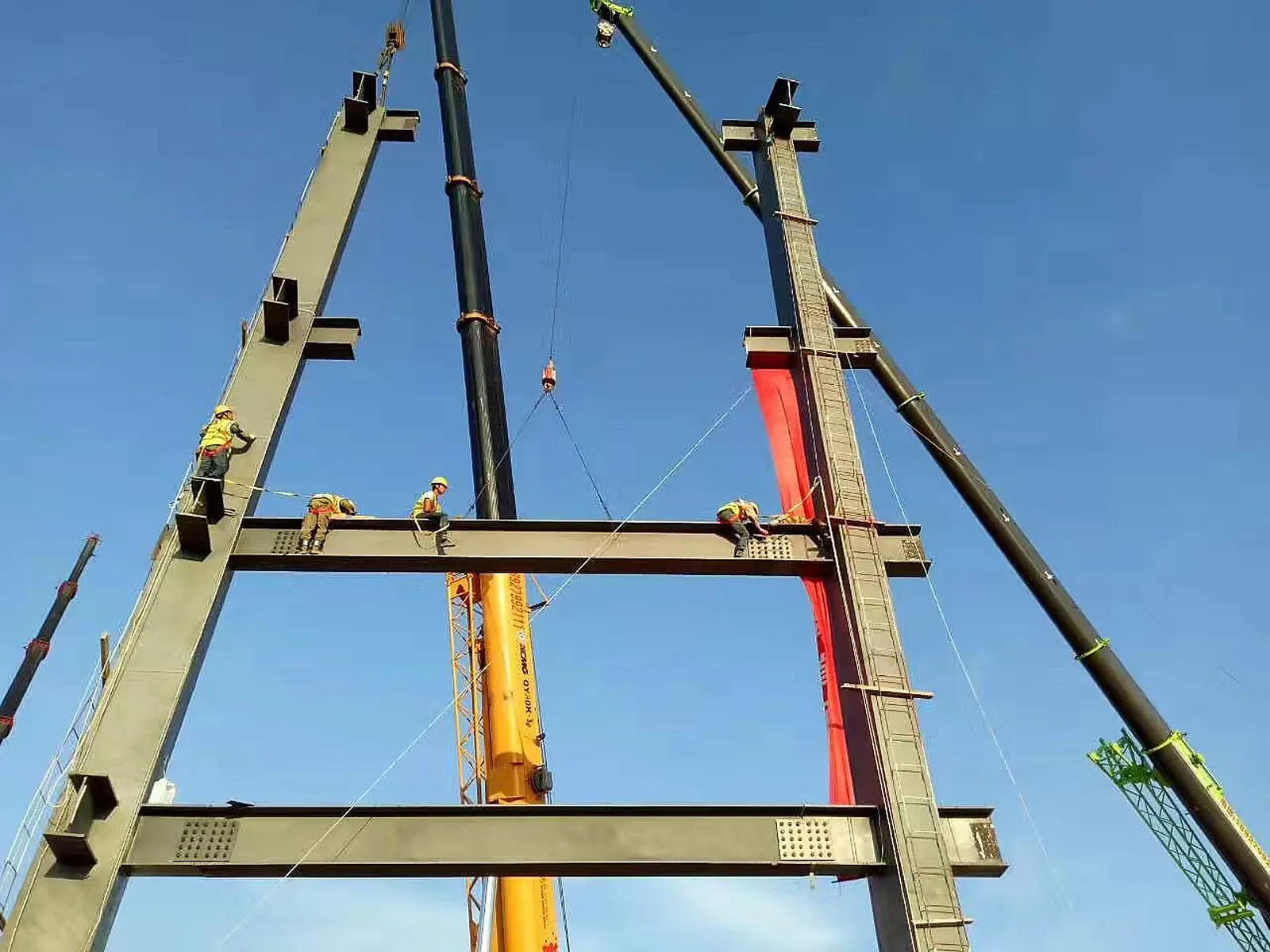

750 kt grain reserve47 m trestle span at 50 mC4 / C5 coating systems
Bulk Grain Storage Buildings & Port Conveyor Trestle Steelwork
Steel for grain reserves, bulk storage warehouses, silo roofs and high-level conveyor trestles. Proven on a 750 kt national grain reserve with a 47 m span trestle at 50 m height. C4/C5 coatings for port sites.
750 ktStorage capacity, Shenshan reserve
47 mTrestle single span
50 mTrestle height above grade
2 × 600 tMobile cranes for the tandem lift
01Who this is for
Grain storage steelwork for reserves, ports and agri-processors
A modern grain reserve combines several building types: shallow round silos, vertical silos, low-temperature warehouse stores, a processing block and a network of conveyor galleries linking them to the port. The steel content is concentrated in the roofs, the galleries and the trestles that carry them.
We fabricate that steel. Silo shells are usually supplied by specialist bin manufacturers or built in concrete, so our scope covers the structures around them: roof trusses, conveyor trestles and galleries, transfer towers, flat-store warehouses and access steel.
- Conveyor trestles and galleries spanning up to 47 m between towers
- Long-span roofs for flat stores and low-temperature warehouses
- Silo-top galleries, transfer towers and stair towers
- Heavy tandem lifts planned in the Tekla model
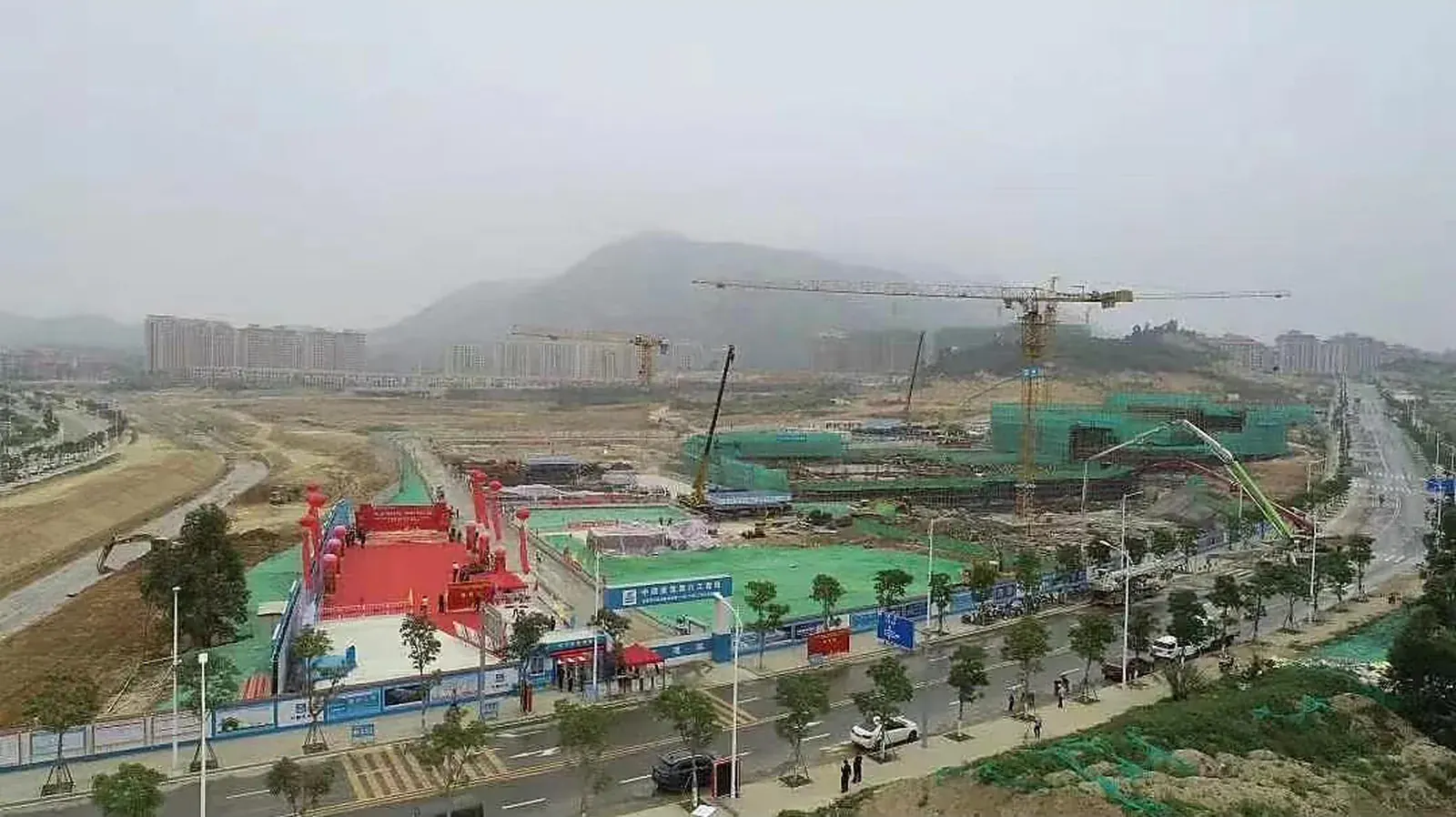
Grain reserve under construction, Shenshan
02Structural breakdown
Structural breakdown of a grain storage complex
Each component links to its product page with section ranges, grades and processing limits.
Box and pipe trusses spanning up to 47 m between towers, trial-assembled in the shop.
Box and tubular columns for towers up to 50 m high, with internal diaphragms.
Welded H-sections and plate girders for flat stores and low-temperature warehouses.
Heavy nodes at tower heads and lifting points, detailed for tandem crane lifts.
Galvanized gallery walkways, stair towers, handrails and equipment platforms.
03Steel consumption & cost
Grain storage steel cost: three tiers
Bands for budgeting the steel package; silo shells and conveyors are excluded.
| Tier | Typical scope | Span / height | Steel consumption | Indicative FOB China | Loading |
|---|---|---|---|---|---|
| Tier 1: flat store / warehouse | Single-storey grain warehouse roof and frame | 24–36 m / eave 8–12 m | 32–45 kg/m² | USD 1,150–1,350/t | 22–24 t per 40HQ |
| Tier 2: low-temperature store | Insulated multi-bay store, heavier roof and services | 30–47 m / eave 10–16 m | 55–85 kg/m² | USD 1,250–1,500/t | 20–23 t per 40HQ |
| Tier 3: trestles and galleries | Conveyor trusses, towers to 50 m, transfer houses | Spans 20–47 m | 300–900 kg per m of gallery | USD 1,400–1,650/t | Break-bulk for truss segments |
Indicative ranges for budgeting, based on recent South China project data. Final tonnage and price are confirmed per quotation from your drawings, loads and coating specification.
Galvanizing or C5 coatings add about USD 150–350/t compared with a standard C3 paint system. Prices are confirmed per quotation; see the 2026 steel cost per ton guide.
{04}Corrosion protection
Coating systems for grain ports and coastal depots
| Exposure | Typical location | Recommended system | Total DFT |
|---|---|---|---|
| C3 | Inland grain depot | Epoxy zinc-rich + epoxy MIO + polyurethane | 200–240 µm |
| C4 | Port hinterland, industrial area | Epoxy zinc-rich + high-build epoxy + polyurethane | 240–280 µm |
| C5 | Quay-side trestles, marine splash | Hot-dip galvanizing + duplex topcoat, or 320 µm+ epoxy system | 320 µm+ / 85 µm HDG |
Most new grain reserves are built next to deep-water ports, so the conveyor trestles and transfer towers sit in salt air for decades. Coating is a structural decision here, not a finishing detail.
We blast all steel to Sa2.5 and apply the full system in the shop, which gives better film control than site painting. For quay-side trestles we recommend galvanized bracing and walkways with a duplex topcoat on primary members. See coating, galvanizing and fireproofing for the full specification options.
Grain dust also sets rules: smooth internal surfaces, sealed box sections and minimal ledges where dust can settle. We detail these in the Tekla model before fabrication.
05Reference projects
A 750 kt national grain reserve
Shenshan grain reserve near Xiaomo Port: shallow round silos, vertical silos and low-temperature stores linked by high-level trestles.
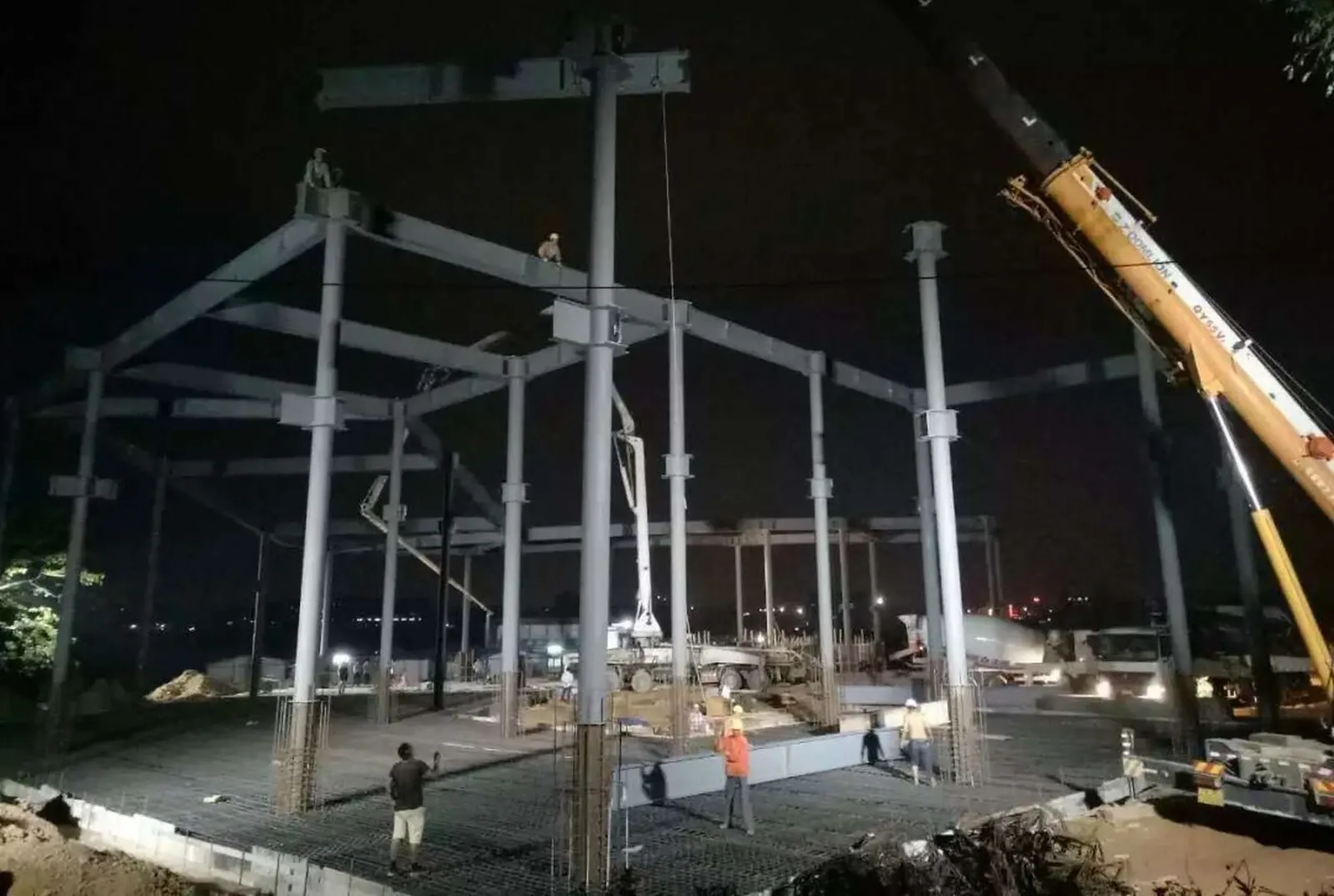
Shenshan · trestle erection
Lift sequence, rigging points and temporary bracing were planned in the Tekla model before fabrication.
43 patents: 5 invention, 32 utility, 6 design
ISO 9001 / 14001 / 45001
100% UT on CJP welds
MTC to EN 10204 3.1
National High-Tech Enterprise
06Delivery method
Four steps that make site assembly predictable
-
01
Tekla load model and shop drawings
Your design is modelled in Tekla Structures, connections are checked to AISC 360, EN 1993 or AS 4100, and you approve shop drawings before any plate is cut.
-
02
Shop trial assembly and hole check
Frames, trusses and splices are laid out in the yard, surveyed and match-marked so bolt holes line up on site.
-
03
Piece-mark stamping
Every member carries a steel-stamped piece mark that matches the erection drawings and the packing list.
-
04
Protected packing and loading
Members are bundled on steel saddles with timber separators, loaded to a container plan or break-bulk stowage plan, and shipped FOB Shenzhen or Guangzhou.
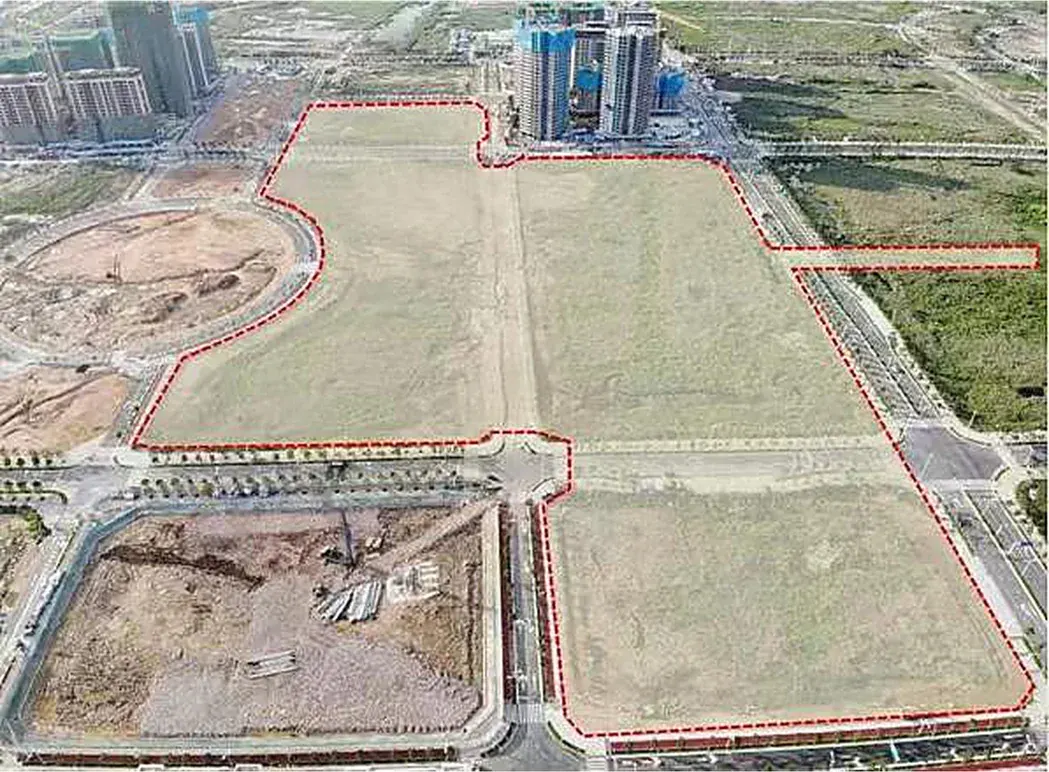
Storage complex steel erection
07FAQ
What buyers ask before ordering
Related: steel warehouse buildings. For African grain projects see Nigeria & Kenya.
What to send for a 24h quote
- Site layout showing silos, flat stores and conveyor routes
- Trestle lengths, heights and conveyor loads from the equipment supplier
- Distance to the sea and the required coating life
- Design code, wind, seismic and snow data for the site
- Coating or galvanizing specification and fire rating, if any
- Destination port and the date you need the steel on site
Do you supply the silo bins themselves?
Our scope is the structural steel around the silos: roofs, conveyor trestles and galleries, transfer towers, warehouses and access steel. Corrugated bins are usually supplied by specialist manufacturers, and we coordinate interfaces with them.
How long a trestle span can you fabricate?
We have delivered a 47 m trestle span at 50 m height. Trusses can be trial-assembled up to 90 m in our shop.
Which coating do you recommend for port grain terminals?
C4 epoxy systems for port hinterland sites and C5 or hot-dip galvanized duplex systems for quay-side trestles. All coating is applied in the shop after Sa2.5 blasting.
Can you help plan heavy lifts?
Yes. We model lifting lugs, temporary bracing and the lift sequence in Tekla, as we did for the tandem lift of the Shenshan trestle.
What is the lead time?
25–40 days after shop drawing approval for frames and galleries, 40–60 days for heavy trestle trusses and nodes.
Do you work outside China on grain projects?
Yes. We ship FOB or CIF to any port and provide erection supervision. In Southeast Asia, PT Pemasangan Baja Struktur Xianghe provides full installation crews.
Send your storage layout. Get a 24-hour steel BOM.
Capacity, warehouse sizes, trestle lengths and port are enough to start.