Precision Heavy Structural Steel Fabrication for Global EPC Contractors
Build-to-print structural steel fabrication for EPC contractors and steel erectors: welded box columns, plate girders, long-span trusses and multi-cavity nodes, made from your IFC, DWG or Tekla model and shipped FOB Shenzhen or Guangzhou.
Your design, our shop floor, your site schedule
Local fabricators in Australia, the Gulf and Southeast Asia are often fully booked, and heavy plate work is expensive where welders are scarce. We take the heavy, labour-intensive packages off your critical path: thick-plate columns, transfer girders, roof trusses and complex nodes.
You keep the design responsibility and the erection. We detail, fabricate, test, coat and ship to your drawings and specification, with an inspection record for every piece. Typical clients are main contractors, steel erectors and engineering firms that need 50 t to several thousand tonnes delivered in sequence.
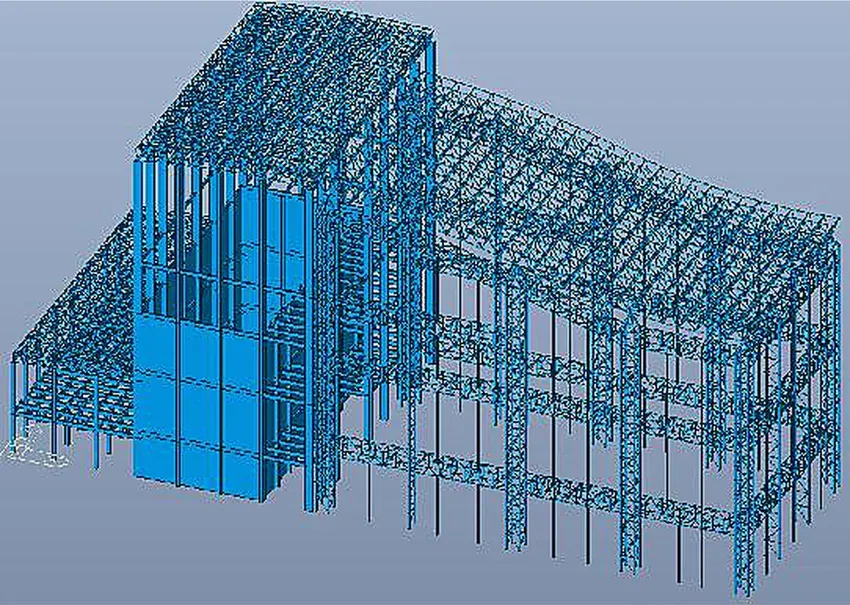
- Shop drawings in Tekla Structures, approved by your engineer before cutting
- Grades Q235B, Q355B/C/D, Q420GJC or S355JR/J2, ASTM A572 Gr.50 / A36 with EN 10204 3.1 MTCs
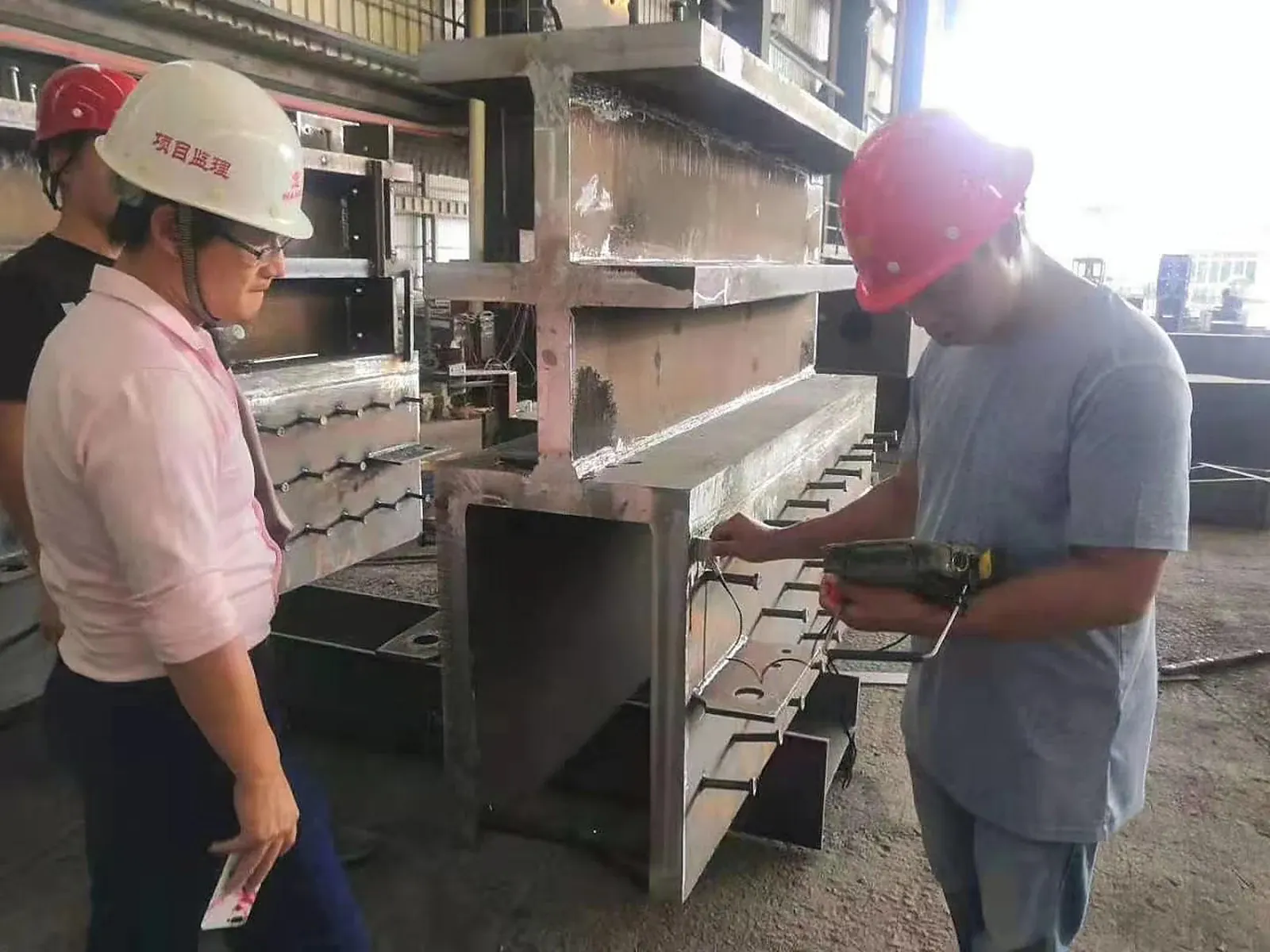
- WPS/PQR qualified to AWS D1.1 or ISO 15614, 100% UT on full-penetration welds
- Delivery in erection sequence, piece-marked to your model
Processing limits for structural steel fabrication
Typical values across our 8 manufacturing bases. Sizes beyond these limits are handled with shop splices designed with your engineer.
| Item | Capability |
|---|---|
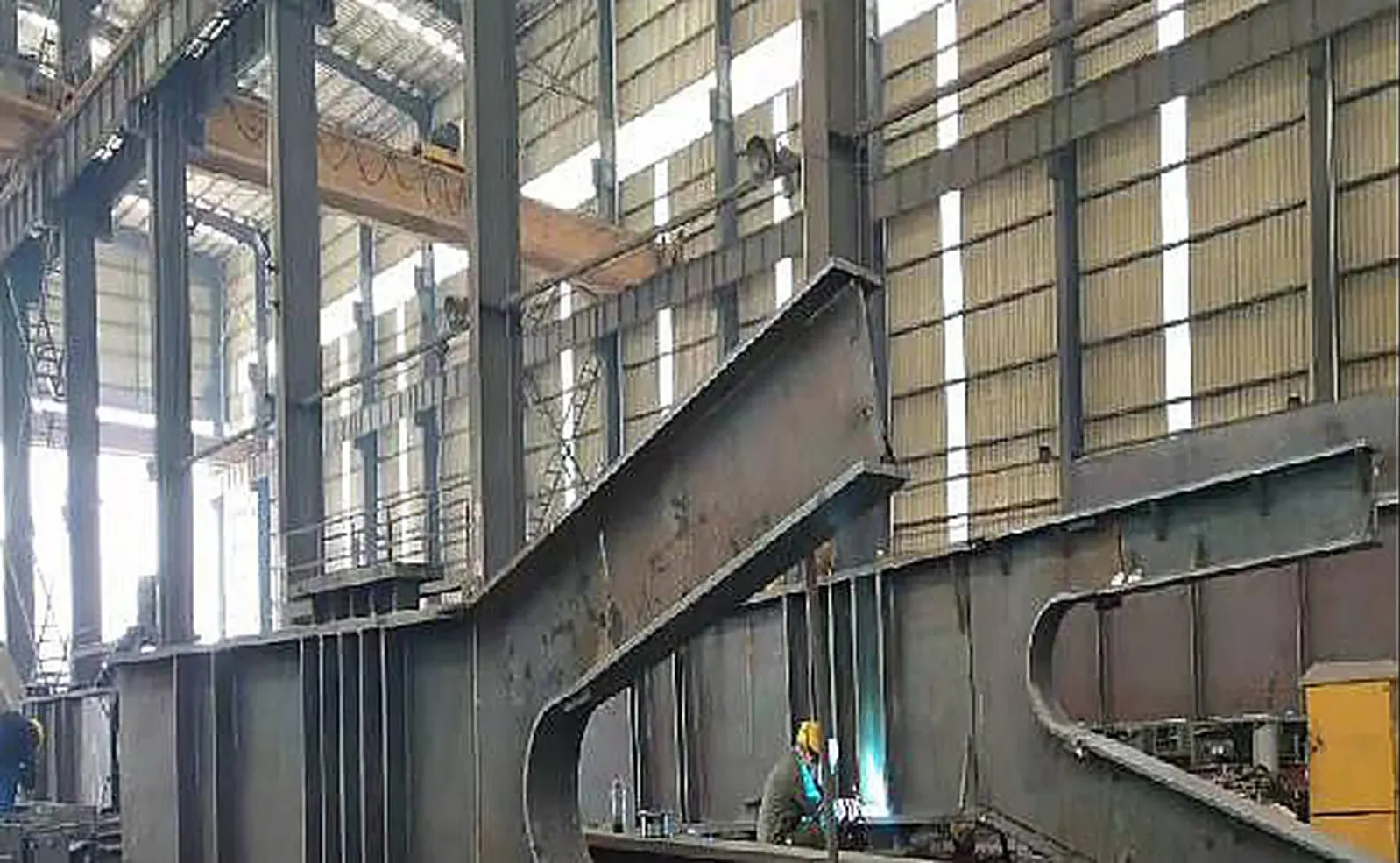
| Welded H-beams | Web depth 200–3,000 mm; flange width 150–1,000 mm; plate 6–100 mm; tapered and curved |
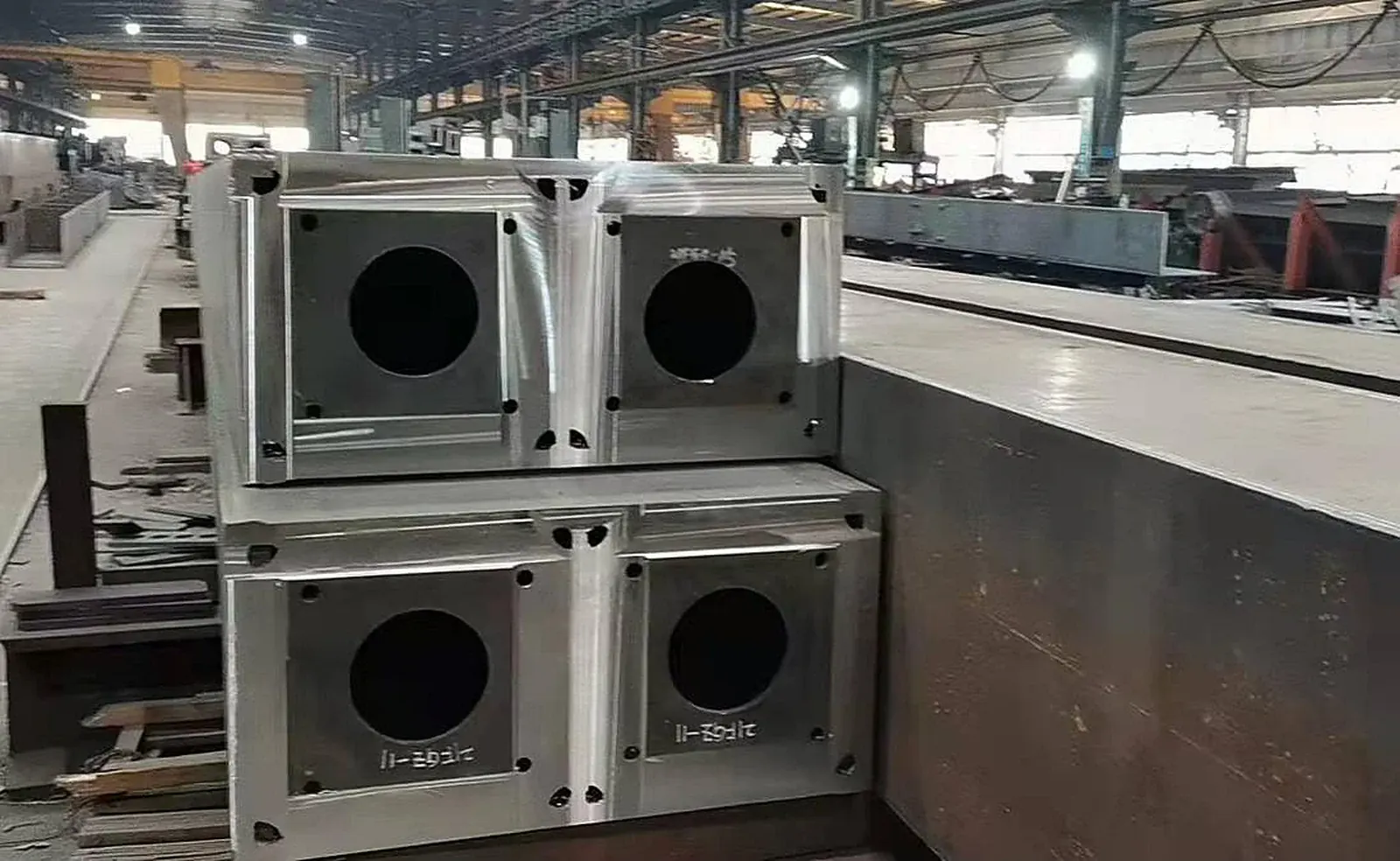
| Welded box columns & beams | 300 × 300 to 1,800 × 1,800 mm; plate 12–100 mm; multi-cavity segments above 3,000 mm |
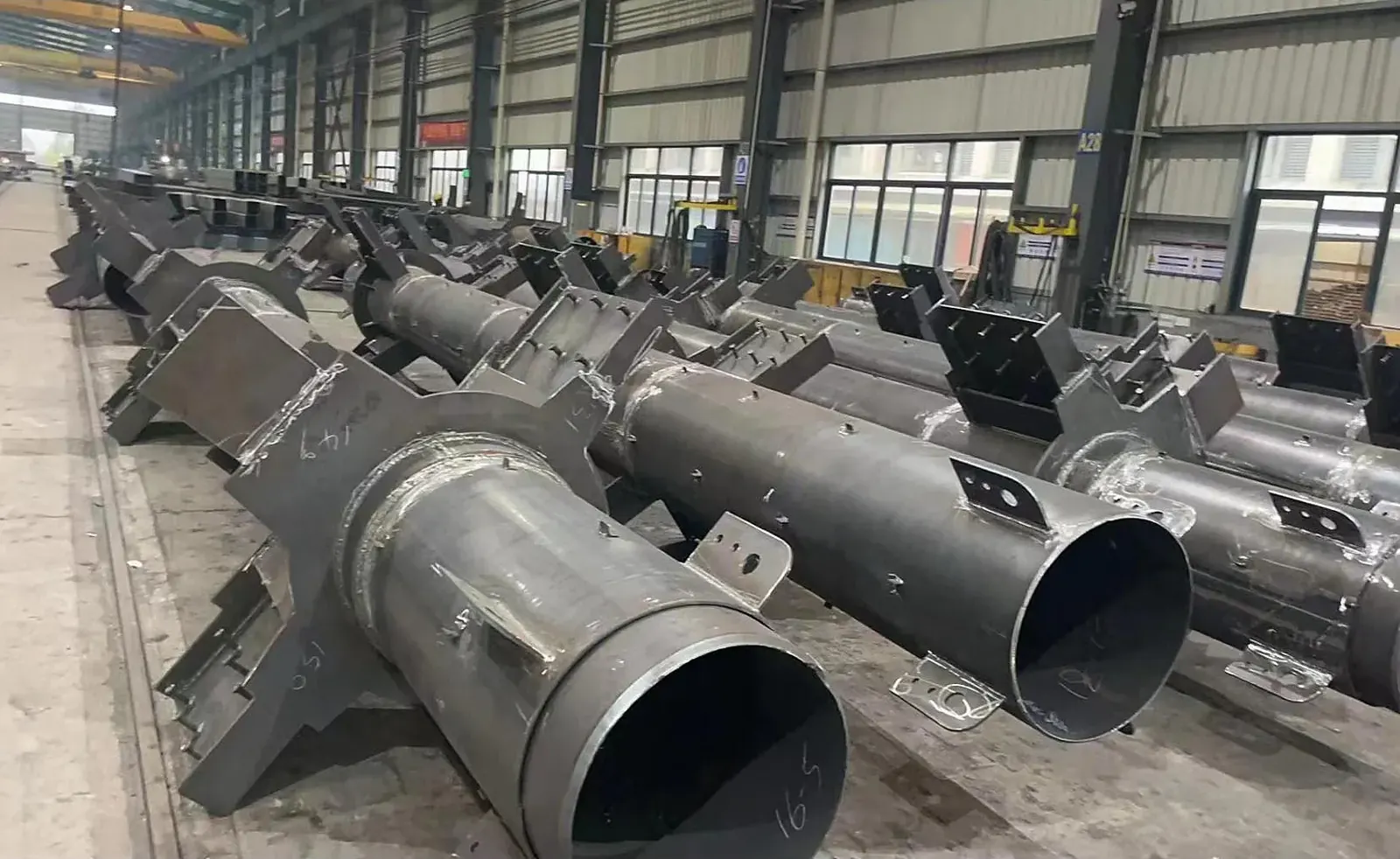
| Rolled tube columns | Φ400–Φ3,000 mm; wall 8–80 mm; tapered tubes available |
| Steel grades | Q235B–Q460, Q420GJC / Q345GJ; ASTM A36 / A572 Gr.50 / A992; EN S235–S355J2 / NH |
| Max. piece length | 24 m in the shop; 11.8 m segments for 40HQ; full length by break-bulk |
| Max. piece weight | 60 t (shop crane capacity) |
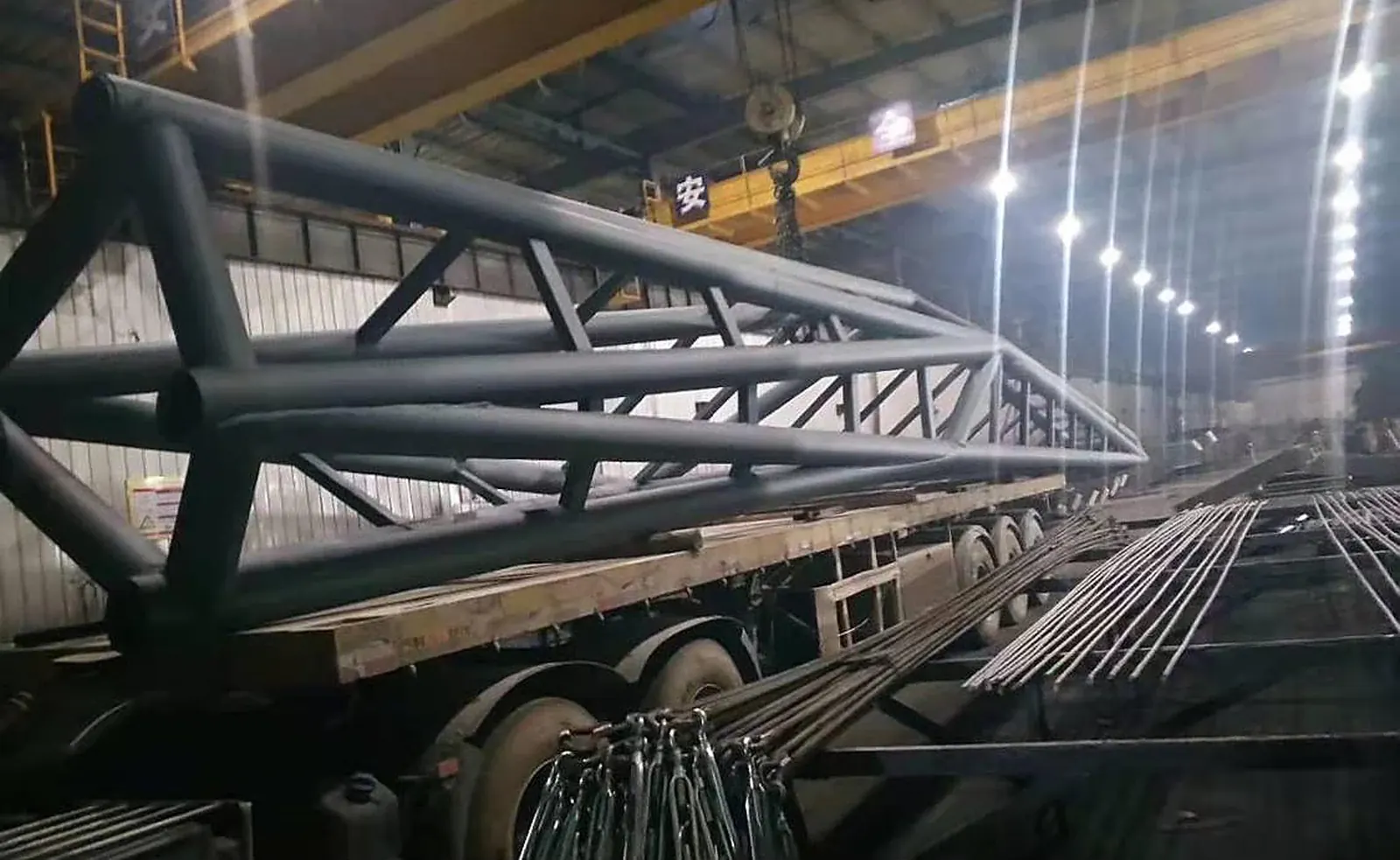
| Truss trial assembly | Single truss up to 90 m span |
| Cutting | CNC flame / plasma 6–150 mm; pipe intersection cutting Φ60–Φ1,500 mm |
| Drilling | 3D CNC drilling Φ12–Φ60 mm |
| Welding processes | SAW, GMAW (CO₂), electroslag welding (ESW), robotic welding |
| Surface treatment | Shot blast Sa2.5; epoxy zinc-rich + epoxy MIO + polyurethane; hot-dip galvanizing (bath ≤ 12 m); intumescent fireproofing |
| Inspection | 100% UT on all full-penetration welds; MT/PT per AWS D1.1 / GB 50205; EN 10204 3.1 MTC |
| Lead time | 25–40 days (standard) / 40–60 days (complex members) |
| Capacity | Up to 300,000 t/yr (group published capacity) |
Typical values; confirmed per project in our quotation.
Codes: AISC 360, EN 1993 and AS 4100 for connection checks. For grade substitution on foreign specifications, use our Q355B vs A572 vs S355JR equivalence chart.
What we fabricate
Every package is made to drawings, so there is no fixed catalog size. Each family page lists section ranges, grades and typical uses. The full catalog is under structural steel products.
Welded H-sections to 3,000 mm deep, transfer girders, tapered and cambered beams.
Pipe, box and H-section trusses and space frames, trial-assembled to 90 m.
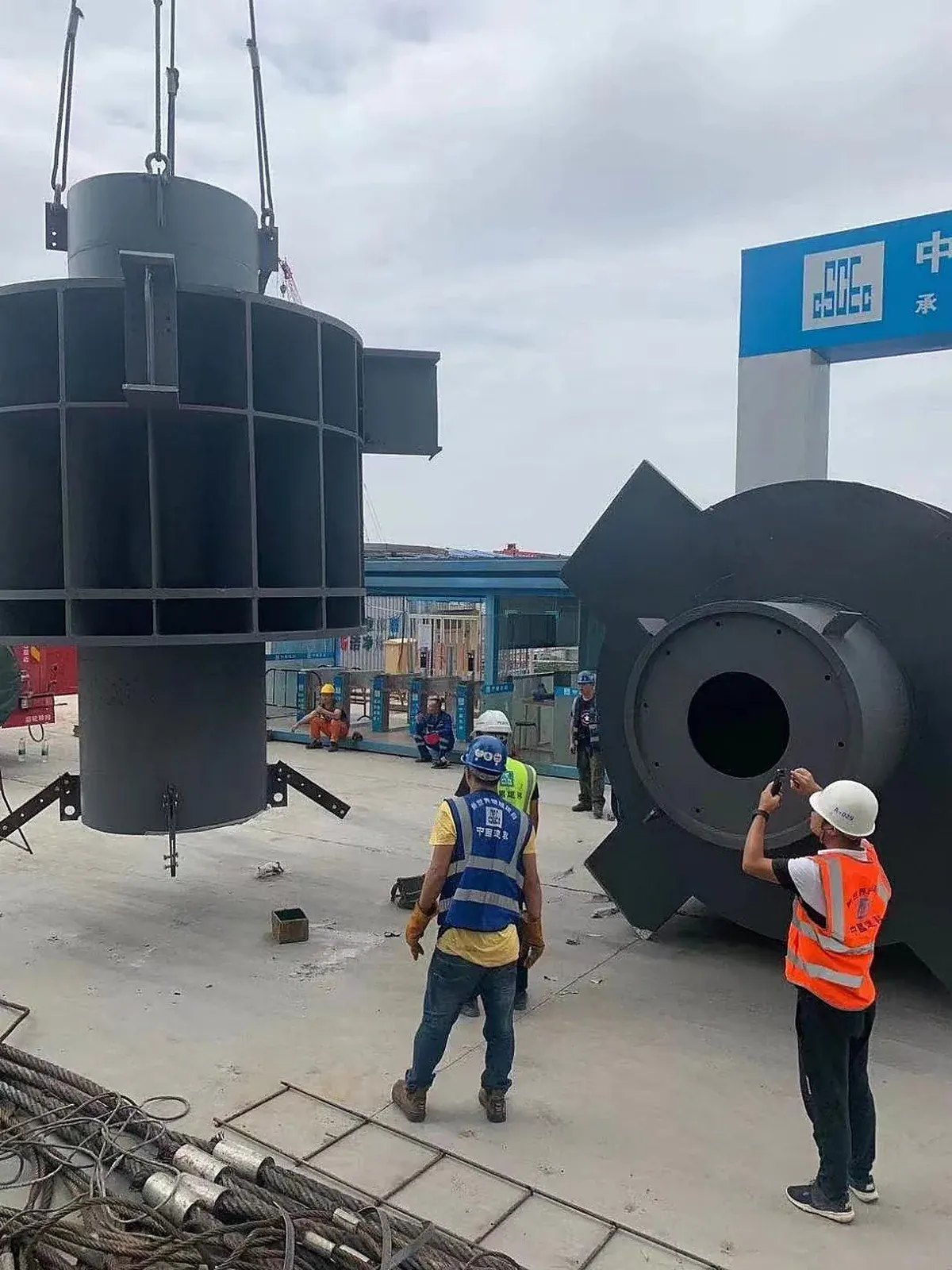
Multi-cell mega columns, cast-style Y/X nodes and outrigger joints.
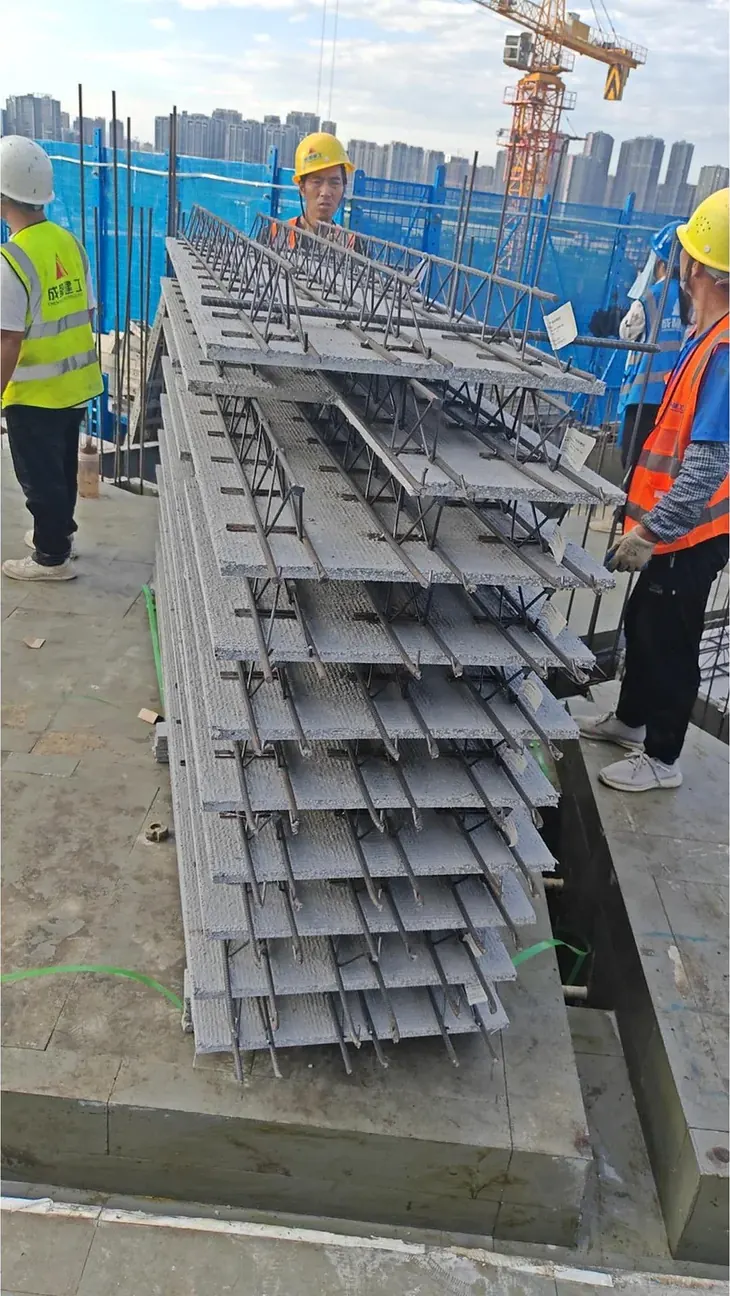
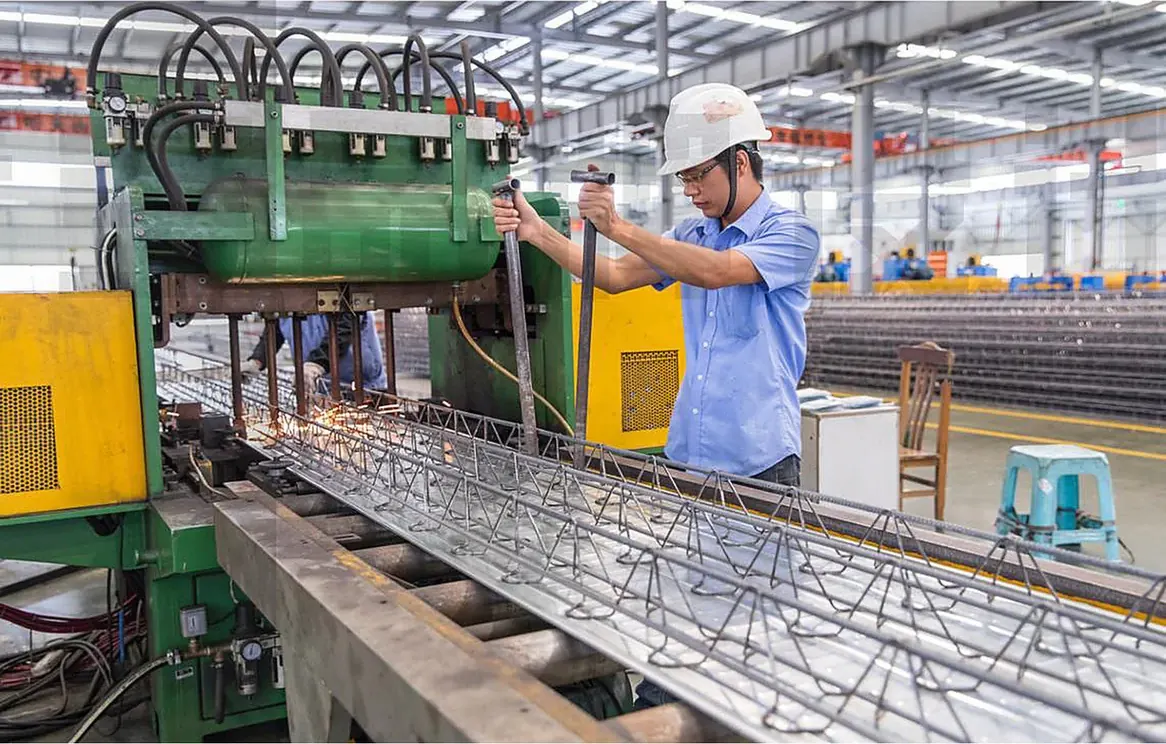
Patented steel-bar truss deck, 1.2–2.0 mm base, 70–100 mm truss height.
C/Z purlins, stairs, platforms, handrails and embedded plates.
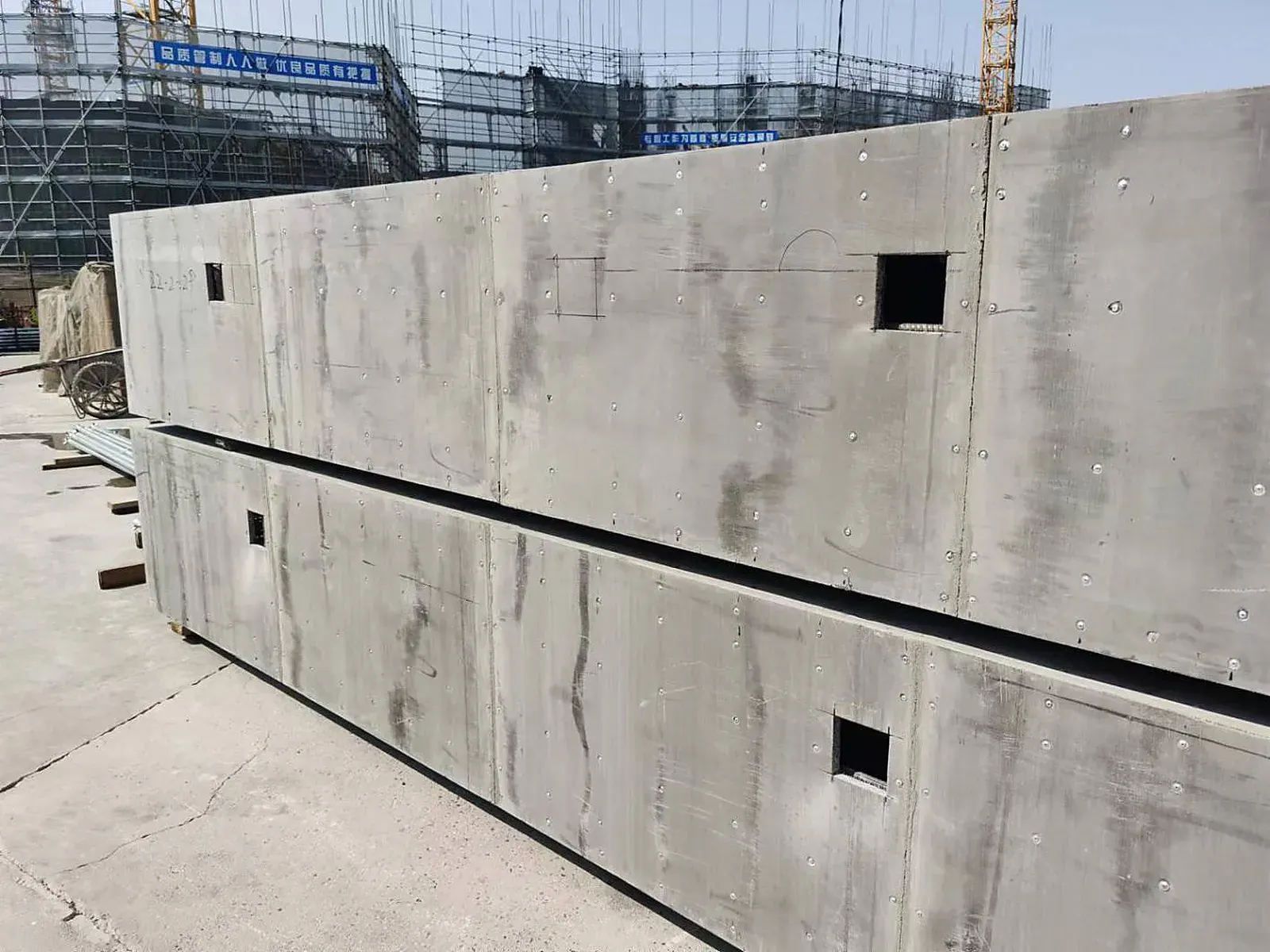
Fibre-reinforced concrete shells for columns, beams, slabs and shear walls.
Six problems EPC contractors worry about when sourcing steel overseas
Hover or tap a card to see the control we apply. These are written into the inspection and test plan before fabrication starts.
Weld quality
Hidden defects in thick-plate CJP welds are the most expensive problem to find on site.
How we control it
- Qualified WPS/PQR per joint type
- 100% UT on CJP welds, reports per piece
- Third-party witness at hold points
Fit-up on site
Holes that do not line up mean torch work, delays and coating damage on site.
How we control it
- 3D CNC drilling from Tekla NC files
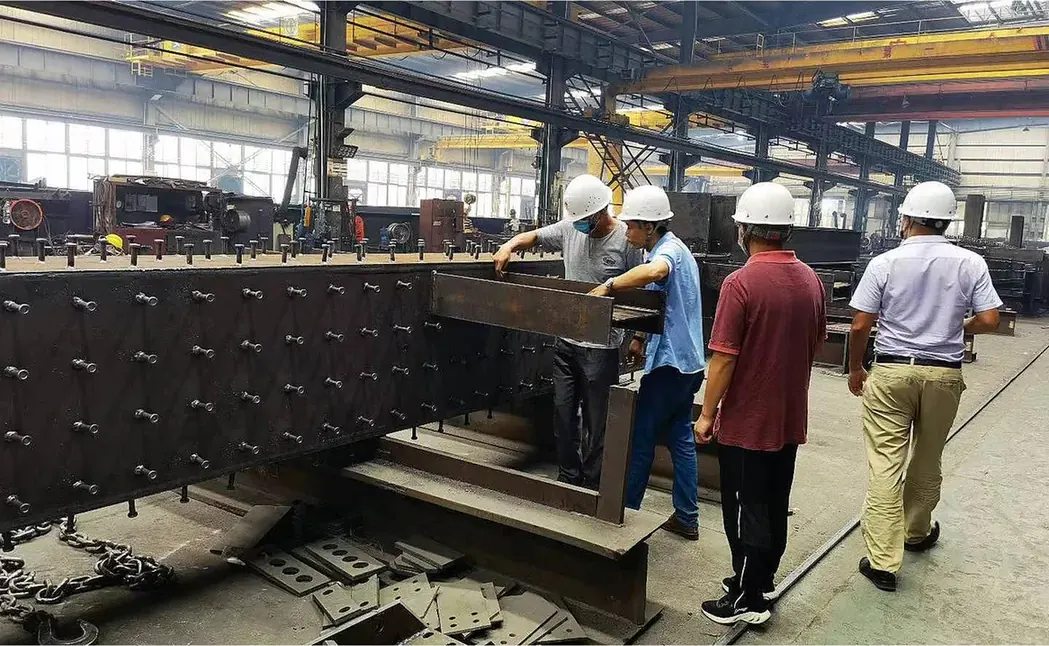
- Shop trial assembly to 90 m
- Match marks and splice plates fitted
Schedule slip
Late steel stops the crane and the whole site behind it.
How we control it
- Batch release by erection zone
- Complex nodes scheduled first
- Weekly progress photos and tonnage report
Material traceability
Mixed heats or unverified grades fail QA review and can stop a project.
How we control it
- EN 10204 3.1 MTC for every heat
- Heat numbers transferred to each part
- PMI testing on request
Coating damage
Long sea routes and rough handling strip paint from edges and faces.
How we control it
- Sa2.5 blasting, shop-applied full system
- Steel saddles and timber separators
- Touch-up kit shipped with the steel
Freight cost
Poorly split members waste container space or force break-bulk.
How we control it
- Splits planned for 11.8 m 40HQ loading
- Loading plan per container
- FOB, CFR or CIF from Shenzhen / Guangzhou
From your model to released steel in five stages
Click a stage to see what happens and what you receive.
Shop drawings in 5–10 working days
We import your IFC or DWG design, model every plate and bolt, and issue a clash report and RFIs before material is ordered. You receive shop drawings, erection drawings, NC files and a weight-accurate BOM. More on BIM steel detailing.
- BOM within 2% of final weight
- Connection checks to AISC 360, EN 1993 or AS 4100
- Weekly model reviews by video call
Traceable plate from approved mills
Plate and sections are bought against your grade, with heat numbers transferred to every cut part. CNC flame and plasma cutting handles 6–150 mm, and pipe intersections are cut on profile machines up to Φ1,500 mm.
- Z-grade (Z15/Z25/Z35) plate for through-thickness loads
- Heat number marked on each part
- Bevels cut to the approved WPS
Heavy welding under controlled procedures
H-sections run on gantry submerged-arc lines. Box columns get internal diaphragms welded by electroslag welding, which is the reliable way to close a 1,800 mm box. Preheat and interpass temperatures are logged for thick plate.
- Certified welders per process and position
- Preheat per plate thickness and carbon equivalent
- Distortion control with straightening presses
Proven in the yard before it ships
Trusses, splices and complex nodes are trial-assembled on surveyed beds and checked with total stations. Faults are fixed in the shop, not with a torch on site.
- Dimensional report for each assembly
- Match marks and splice plates fitted
- Photo record shared before dispatch
Paperwork that passes your QA review
Every full-penetration weld is ultrasonically tested and recorded. Fillet welds are checked by MT on sampling. Third-party inspectors (SGS, BV, TUV or your own) are welcome at any hold point. See quality, NDT and shipping.
- UT, MT and DFT reports per piece
- EN 10204 3.1 MTCs for every heat
- ITP agreed before fabrication starts
Weld quality you can audit
| Check | Method | Extent | Acceptance |
|---|---|---|---|
| Full-penetration (CJP) welds | Ultrasonic testing (UT) | 100% | AWS D1.1 / GB 50205 / ISO 5817 B–C |
| Fillet and PJP welds | Magnetic particle (MT) or dye penetrant (PT) | Sampling, 10–20% typical | Per project ITP |
| Material | MTC review, PMI on request | Every heat | EN 10204 3.1 |
| Dimensions | Tape, total station, 3D scan | Every piece | Tolerances per EN 1090-2 or AISC 303 |
| Blasting | Visual comparator, profile gauge | Every batch | Sa2.5, 50–85 µm profile |
| Coating | DFT gauge, adhesion test | Every piece / batch | Per specified system |
Weld quality is the main risk when buying fabricated steel overseas, so we make it visible. The inspection and test plan is agreed before cutting starts, hold points are open to your inspector, and every report travels with the steel.
For a guide to reading UT reports and what to ask a fabricator before ordering, see our NDT and shipping page and the H-beam vs I-beam vs box column guide.
Coated for the climate, packed for the route
Surface protection
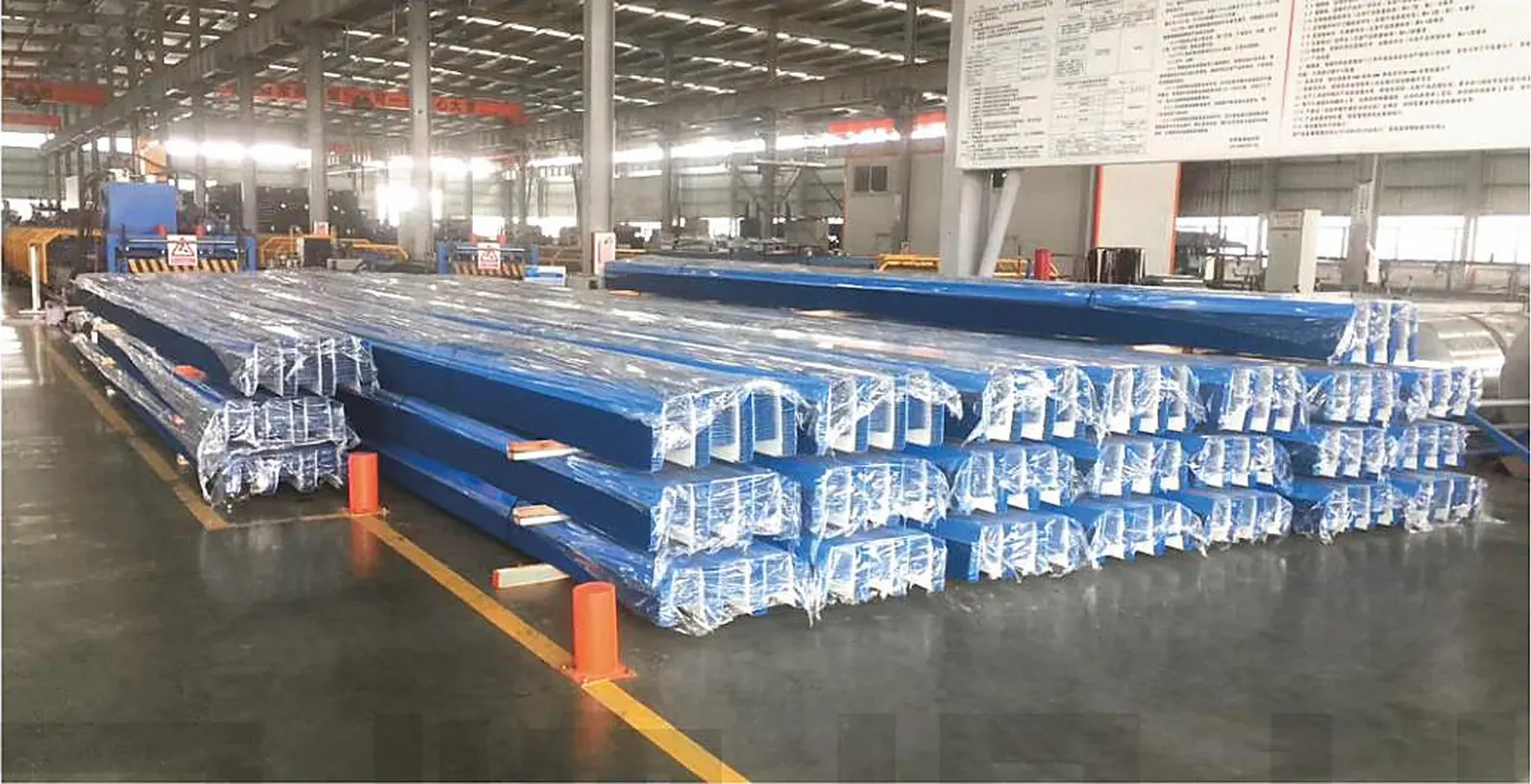
All steel is shot-blasted to Sa2.5. Standard system: epoxy zinc-rich primer, epoxy MIO intermediate and polyurethane finish, 200–280 µm total for C3–C4. Coastal and port sites can take C5 systems or hot-dip galvanizing (bath up to 12 m). Intumescent fireproofing is applied in the shop for 60–120 min ratings. Details on coating, galvanizing and fireproofing.
Port logistics
Members are cut or spliced to 11.8 m for 40HQ containers or shipped full length break-bulk. Loading plans and packing lists are issued per container, and erection marks match your model. Typical transit: Manila about 3 days, Malaysia about 4, Indonesia about 6, Australia 12–15. See the 40HQ container steel loading guide.
Where our fabricated steel ends up
The same shop builds for every sector. Each solution page lists steel consumption per m² and indicative FOB prices.
Heavy fabrication on landmark projects
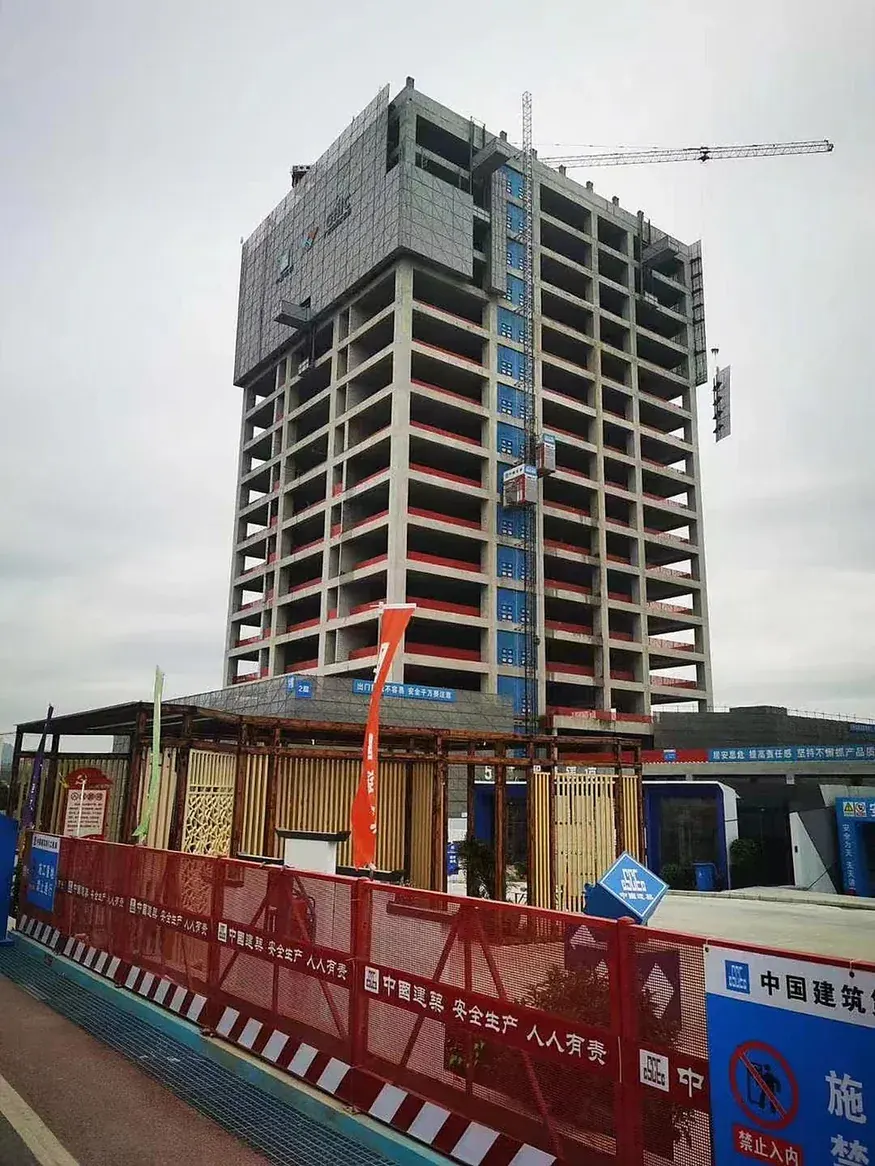
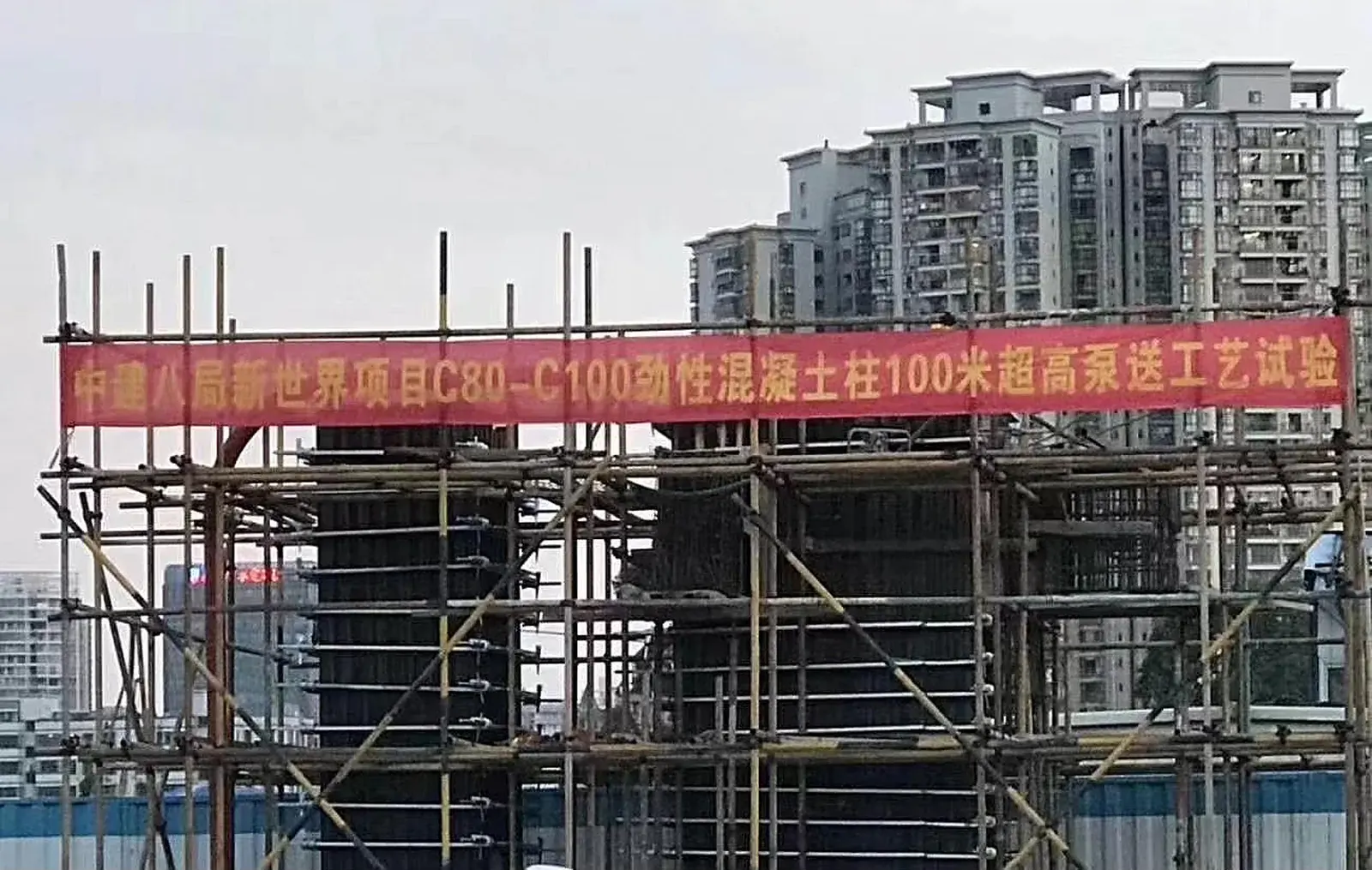
Main contractors on these projects include China State Construction Engineering divisions. Full details in our project references.
Box SRC columns, H-section SRC beams and multi-cavity mega columns across three towers.
About 7,000 t of Q420GJC thick plate in SRC columns and composite steel sections.
Steel structure for the Songshan Lake Materials Laboratory, a Luban Prize winning project.
Before you send the first package
Our detailing team answers technical questions within 24 hours. A sample drawing set is in the shop drawings guide.
What do you need to quote structural steel fabrication?
Structural drawings (IFC, DWG, Tekla or PDF), the design code, steel grades, coating specification, required delivery date and destination port. With these we return a BOM, tonnage and FOB price within 24 hours for most packages.
Can you fabricate to AISC, EN or AS standards?
Yes. We detail and check connections to AISC 360, EN 1993 or AS 4100, qualify procedures to AWS D1.1 or ISO 15614, and supply ASTM or EN equivalent grades with EN 10204 3.1 MTCs.
What is your minimum order?
50 t of structural steel. Smaller packages can ride with a larger shipment to the same port.
How long does fabrication take?
25–40 days after shop drawing approval for standard members, 40–60 days for multi-cavity columns and complex nodes. Large projects are released in batches that follow your erection sequence.
Can my inspector witness fabrication?
Yes. Third-party inspectors such as SGS, BV and TUV, or your own QA staff, can attend any hold point in the ITP, including UT, trial assembly and coating checks.
How do you prevent damage and rust during shipping?
Members are fully coated before packing, bundled on steel saddles with timber separators, and machined faces and bolt holes are protected. Container and break-bulk loading plans are shared before shipment.
Upload drawings for a 24-hour fabrication BOM and FOB price.
IFC, DWG, Tekla or PDF. Reviewed by our Tekla team. From 50 t, NDA on request.